
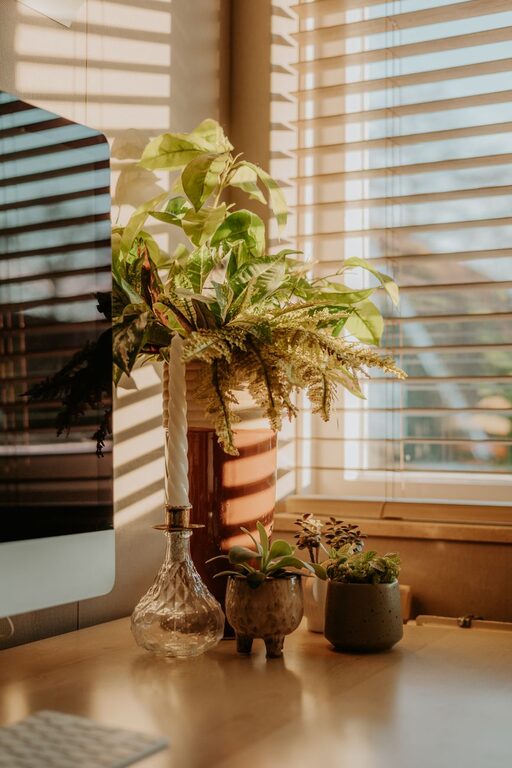
Creating a home office that is both cozy and productive can make a big difference in your workday. Whether you’re working from home full-time, part-time, or just need a space for occasional tasks, having the right setup can help you stay focused and comfortable. This guide shares practical tips for designing a home office that balances comfort with efficiency.
Choose the Right Location
The location of your home office is the foundation of a productive workspace. Ideally, select a quiet area with minimal distractions. A spare room, a section of a large bedroom, or even a corner in the living room can work well. Here are a few considerations:
– Natural Light: Choose a spot near a window if possible. Natural light improves mood and reduces eye strain.
– Privacy: Find a space where you can close a door or create a sense of separation from common household activities.
– Space: Make sure there’s enough room for a desk, chair, and any storage you need without feeling cramped.
Invest in Comfortable and Functional Furniture
Comfort is key in a home office since you’ll spend hours sitting and working. Picking the right furniture helps prevent discomfort and can boost your productivity.
– Ergonomic Chair: A well-designed chair supports your back and encourages good posture.
– Appropriate Desk: Choose a desk with enough surface area for your computer and other essentials. Adjustable desks that convert to standing desks are great options.
– Storage Solutions: Shelves, drawers, or filing cabinets help keep your workspace clutter-free.
Personalize Your Workspace
Adding personal touches can make your office feel welcoming and motivate you to spend time there. Here’s how to create a cozy atmosphere:
– Decor: Use artwork, photos, or wall decals that inspire you.
– Plants: Adding greenery can improve air quality and create a relaxing environment.
– Soft Textiles: A small rug, cushions, or a throw blanket can add warmth and comfort.
Optimize Lighting for Work and Comfort
Proper lighting is essential for reducing eye strain and keeping energy levels up.
– Combine Lighting Sources: Use a mix of overhead lighting, task lighting (like a desk lamp), and natural light.
– Adjustable Lamps: A lamp with adjustable brightness helps you tailor the light to different times of day and tasks.
– Avoid Glare: Position your screen and lights so that you don’t get reflections or shadows that make work harder.
Organize to Reduce Clutter
A tidy workspace helps clear your mind and improve focus.
– Declutter Regularly: Remove unnecessary items and keep only what you need daily.
– Use Organizers: Drawer dividers, pen holders, and trays help keep small items in place.
– Cable Management: Use clips or cable sleeves to keep cords neat and avoid tangles.
Set Boundaries Between Work and Home Life
Maintaining boundaries helps you stay productive and avoid burnout.
– Dedicated Work Hours: Try to stick to a consistent schedule and avoid working outside those times.
– Create a Ritual: Starting and ending your workday with a routine signals the start and finish of work mode.
– Leave Your Workspace: When your workday ends, physically leave your home office space to help mentally disconnect.
Incorporate Technology Wisely
Technology powers your productivity but can also be a distraction.
– Reliable Equipment: Invest in a good computer, headset, and internet connection to avoid technical frustrations.
– Minimize Distractions: Use apps or settings to block notifications during focus periods.
– Backup Data: Protect your work by setting up regular backups, either to the cloud or an external drive.
Personal Comfort Tips
Your physical comfort directly affects your ability to focus.
– Temperature Control: Use fans, heaters, or open windows to keep your space comfortable.
– Hydration and Snacks: Keep water and healthy snacks nearby to maintain energy.
– Movement Breaks: Stand up, stretch, or walk around regularly to reduce fatigue.
Final Thoughts
Designing a cozy and productive home office is about balancing comfort with functionality. Tailor your workspace to your needs, keep it organized, and make it a place you enjoy spending time. With these tips, you can create an environment that helps you do your best work, every day.
