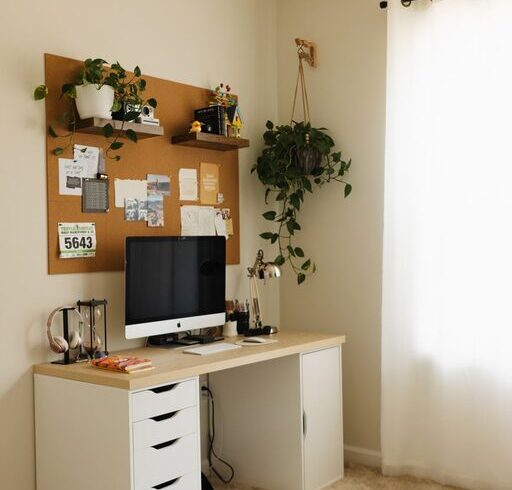
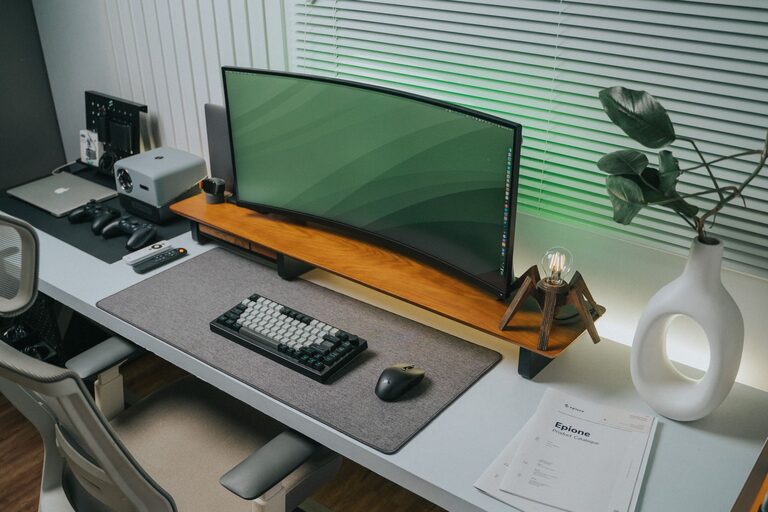
Creating an organized home office can make a big difference in how productive and focused you are during your workday. Whether you work from home full-time or just need a dedicated spot for occasional projects, a tidy and well-arranged space helps reduce distractions and boosts efficiency. Here are some simple, practical tips to organize your home office and make it a place where you can work comfortably and effectively.
1. Choose the Right Location
Before diving into organizing, it’s important to select a suitable spot for your home office. Ideally, the space should be quiet and free from household distractions. If possible, find a corner or a spare room with good natural light. Proper lighting not only reduces eye strain but also improves your mood and focus.
2. Declutter Your Workspace
Start by clearing everything off your desk and work surfaces. Sort through your items and only keep essentials within reach. Remove old papers, unused gadgets, and anything that doesn’t directly support your work tasks. A clean slate is the first step to creating a productive environment.
3. Invest in Functional Storage Solutions
Having the right storage helps keep your office neat and your supplies accessible.
– Shelves and bookcases: Great for organizing books, binders, and decorative items.
– Desk organizers: Use trays, file holders, and drawer dividers to separate small items like pens, paper clips, and sticky notes.
– Filing cabinets: Ideal for important documents and paperwork you need to keep but don’t use daily.
Labeling storage containers and drawers makes it easier to find what you need without wasting time.
4. Optimize Your Desk Setup
How you arrange your desk impacts comfort and efficiency.
– Position your computer monitor at eye level to avoid neck strain.
– Use an ergonomic chair that supports your back.
– Keep frequently used items, like your phone or notepad, within arm’s reach.
– Avoid overcrowding by limiting decorative items and miscellaneous tools on your desk.
5. Use Digital Tools to Reduce Paper Clutter
Minimize paper clutter by digitizing notes, receipts, and files. Apps for note-taking, task management, and cloud storage help you keep information organized and accessible without piles of paper. This also improves sustainability by reducing waste.
6. Establish a Daily Cleaning Routine
Set aside 5 minutes at the end of each workday to tidy your desk. Put away loose papers, throw out trash, and organize supplies. This habit keeps clutter from building up and gives you a fresh start each morning.
7. Personalize Your Space Mindfully
A few personal touches can boost motivation, but be careful not to overdo it.
– Photos, plants, or artwork can add warmth and inspiration.
– Choose calming colors and decor that feel inviting but don’t distract.
– Avoid noisy or overly bright decorations that might interrupt your concentration.
8. Manage Cables and Electronics Neatly
Tangled cords and messy electronics can be frustrating and distracting.
– Use cable organizers, clips, or sleeves to bundle wires together.
– Label chargers and cables to identify them quickly.
– Consider wireless accessories to cut down on cords.
9. Create Zones for Different Activities
If your space allows, designate specific areas for tasks such as computer work, reading, or brainstorming.
– A separate surface or chair for reading or phone calls can help mentally shift between activities.
– Having zones reduces clutter by discouraging the mixing of unrelated work materials.
10. Keep Supplies Restocked and Accessible
Make a checklist of essential office supplies like pens, paper, and printer ink. Regularly check your inventory and reorder before running out. Knowing you have everything on hand keeps your workflow smooth and uninterrupted.
—
By following these simple tips, your home office can become a neat, comfortable, and productive space. Organizing isn’t a one-time event but rather an ongoing process. Regular maintenance and mindful setup will keep your workspace inspiring and efficient, helping you get the most out of every workday.